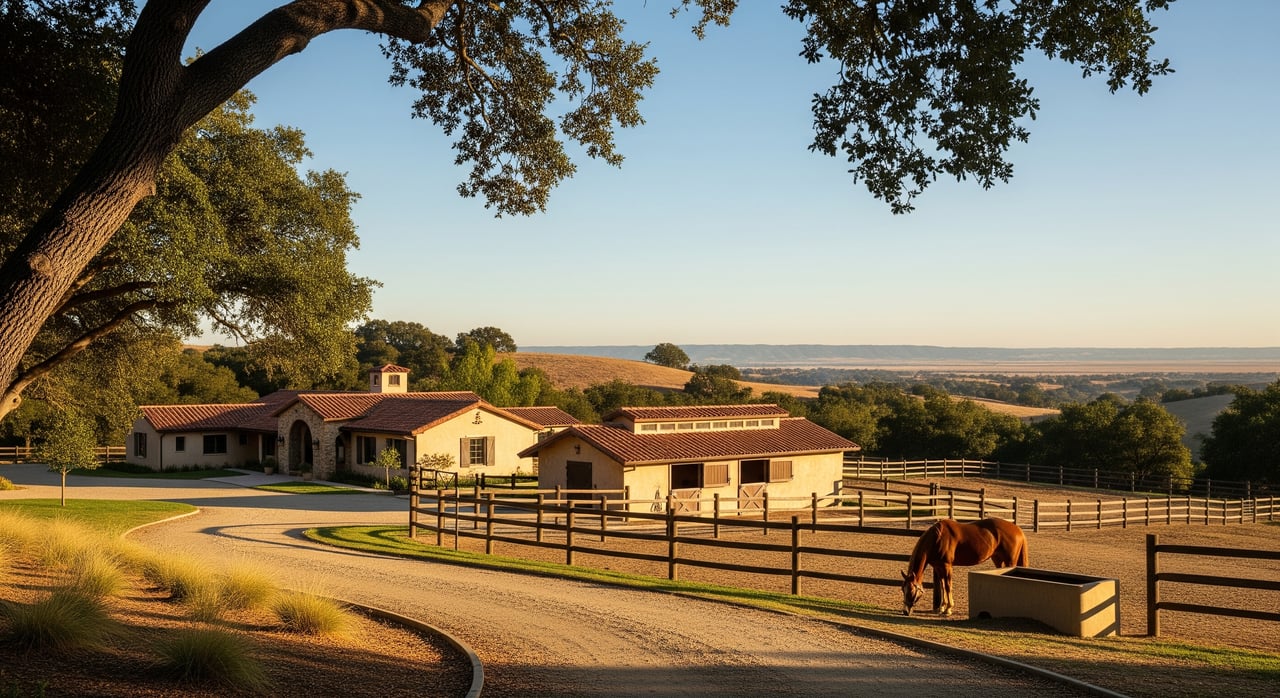
What draws people to La Cresta isn’t just the views. It’s the space to breathe, ride, and build the equestrian life you want without city bustle. If you’re picturing mornings in the barn and evenings under big skies, you’re in the right place.
La Cresta sits on the ridgelines above the Temecula and Murrieta valley with a semi-rural feel, custom homes, and acreage. In this guide, you’ll learn what day-to-day life looks like, what to expect from local horse properties, and the key steps to buy with confidence. Let’s dive in.
La Cresta at a glance
La Cresta is an unincorporated part of Riverside County. You get rural privacy and low-density living with custom homes on large parcels. Most shopping, dining, and medical services are in nearby Murrieta and Temecula, so plan for short drives for errands.
Because the area is unincorporated, county departments handle zoning, building permits, and road matters. Fire and emergency services are through regional agencies. The area lies in a wildland urban interface with elevated wildfire risk, so defensible space and preparedness are part of everyday planning.
School assignments vary by exact address, and some parcels align with different districts. If school placement matters to you, verify by parcel before you buy.
What equestrian properties include
La Cresta offers a range of acreage options, from small ranchettes to large estates. Most are custom built rather than tract homes, which means layouts and improvements can differ widely.
Barns and stables
- Single to multi-stall barns with tack rooms and hay storage are common.
- Some properties offer full-service barns while others have simple run-in or loafing sheds.
Arenas and round pens
- Many homes feature outdoor arenas with sand or dirt footing.
- Round pens for groundwork and training are frequently included.
Paddocks, turnout, and fencing
- Expect multiple paddocks with rotation in mind.
- Fencing types include post and rail, pipe, or combinations suited to terrain.
Outbuildings and utilities
- You’ll often see equipment sheds, shop buildings, and guest cottages.
- Water storage tanks, troughs, automatic waters, and on-site wells and pumps support daily care.
Land, slope, and water realities
No two parcels ride the same. Slope, soils, and drainage vary across the ridgelines. Some lots offer usable pasture, while others need grading for arenas or paddocks. Water availability and irrigation capacity are critical. Many homes rely on private wells and septic systems rather than municipal service, and some use propane for heating.
If you plan to expand facilities, check county zoning for the number of horses allowed, setbacks, and permits for barns, arenas, and large accessory structures. Responsible manure handling and storage help with odor control and runoff and are part of good stewardship here.
A day in the life with horses
Living in La Cresta lets you ride at home and enjoy real space. It also comes with hands-on care.
- Daily chores often include feeding, watering, stall cleaning, turnout checks, and arena grooming. Plan 30 to 90 minutes per day for one or two horses, more for larger programs.
- Maintenance can include fencing repairs, footing refresh, manure removal, driveway upkeep, and equipment service. Many owners keep a small tractor or hire local help.
Trails and riding access
Many properties connect to private trails or riding easements. Regional open space and national forest areas add options for experienced riders. Always verify which trails are public, which are private, and whether any easement or HOA rules apply before you ride.
Services and support nearby
You can find farriers, large-animal vets, hay and feed delivery, trainers, and tack shops in the Temecula and Murrieta area. Availability is solid compared with remote rural markets, but plan ahead for scheduling and deliveries. Boarding exists on some local properties, yet many owners here keep horses at home.
Utilities, internet, and daily convenience
- Water and septic: Many parcels use private wells and on-site wastewater treatment systems. Test well yield and water quality and confirm septic capacity and permit history during due diligence.
- Power and fuel: Properties typically connect to regional utility grids. Some use propane for heat or appliances, and many owners keep a generator for resilience.
- Internet and cell: Connectivity can vary by parcel. If you work from home, prioritize properties with reliable service or plan for backups.
Fire safety and preparedness
Wildfire risk is a consistent consideration. You will want defensible space around structures, ember-resistant materials where possible, and a clear animal evacuation plan. Insurance availability and premiums can be affected by fire zones, so obtain quotes early in your process and confirm carrier requirements.
How the market works here
La Cresta is a lifestyle market. Buyers come for acreage, privacy, views, and equestrian facilities. Inventory tends to be limited and dominated by custom properties, so turnover can be slower than in suburban neighborhoods. Prices reflect land, usability, and the level of improvement. Smaller acreages with basic horse setups sit at the lower end of the local spectrum, well-developed facilities land in the mid tier, and large estates with extensive improvements command premium pricing. Exact values shift with inventory and regional trends.
Buyer due diligence checklist
Use this quick list to spot risks and confirm value before you write an offer.
- Zoning and permitted uses: Confirm the allowed number of horses, accessory structures, and setbacks with county planning.
- Utilities: Test well flow rate and water quality. Verify septic permits, maintenance history, and system capacity. Note power and propane service.
- Easements and access: Clarify road maintenance responsibility, recorded riding easements, and any agricultural or conservation easements.
- CC&Rs or associations: Review covenants, fees, and any restrictions on barns, rental use, or commercial equestrian activities.
- Facilities and systems: Inspect barns, sheds, fencing, arena grading and drainage, irrigation systems, and soil compaction.
- Environmental factors: Review wildfire exposure, flood risk in drainage areas, and any erosion or landslide history on steeper parcels.
- Services: Check distance and response times for large-animal veterinary care, farriers, hay delivery, and equipment service.
- Manure management: Confirm current disposal practices and compliance with county guidance.
- Insurance: Get early quotes for property and equine coverage, especially in higher fire-severity zones.
- Riding culture and access: Evaluate nearby roads, trail connectivity, and local norms for riders.
Financing and insurance notes
Lenders often apply stricter appraisal standards for large acreage, guest units, or shop buildings. Working with a lender familiar with rural and ranch properties can help. Insurance carriers may have wildfire-related requirements or limit new policies in some zones, so start that process early to avoid surprises.
Is La Cresta a fit for you
If you want room for horses, privacy, and a custom property that reflects how you live, La Cresta delivers. You trade quick urban convenience for acreage and a slower pace, and you take on more hands-on care. For many owners, the reward is worth it. When you are ready, bring a plan, verify parcel-specific details, and work with a local expert who understands both horse facilities and rural due diligence.
Ready to explore properties that fit your riding goals and budget, and close with fewer moving parts? Connect with Kreg McCoy for experienced local guidance and a streamlined, Bundle & Save approach that brings brokerage, mortgage, and escrow under one roof.
FAQs
How rural is daily life in La Cresta for new buyers
- You live in a semi-rural setting with custom homes on acreage, and you drive to nearby Murrieta or Temecula for most shopping, dining, and services.
What equestrian facilities do most La Cresta properties include
- Many have barns or loafing sheds, outdoor arenas, round pens, multiple paddocks, and fencing, plus outbuildings for hay, equipment, or guest use.
Are wells and septic systems common on La Cresta parcels
- Yes. Many properties rely on private wells and on-site wastewater systems, so you should test well yield and water quality and confirm septic permits and capacity.
How significant is wildfire risk for La Cresta homeowners
- The area sits in a wildland urban interface with elevated risk, so you should maintain defensible space, plan for evacuation, and review insurance availability early.
Can I keep multiple horses on a 5-acre La Cresta property
- It depends on county zoning, pasture quality, and responsible management, so confirm animal limits and plan for supplemental feeding and manure handling.
What inspections are recommended for horse properties in La Cresta
- In addition to a home inspection, arrange well and water-quality testing, septic inspection, barn and fencing review, arena footing and drainage assessment, and a wildfire vulnerability review.
