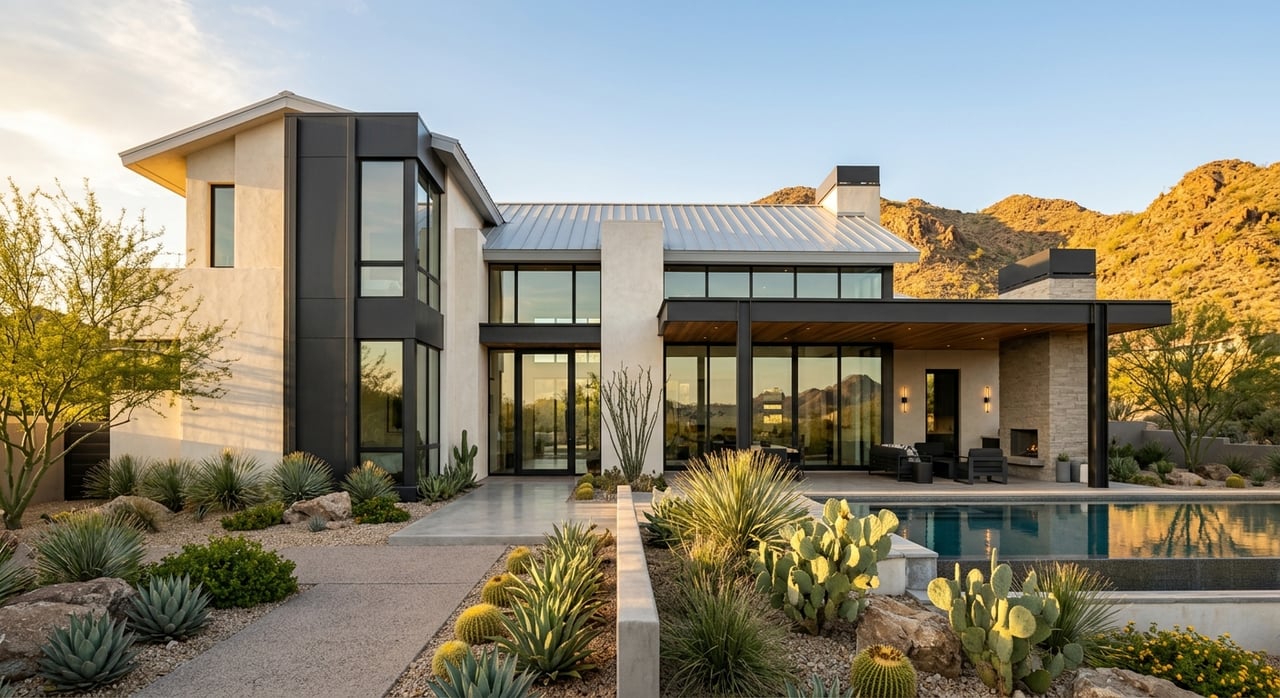
Thinking about trading ocean air for more space inland? A coast-to-inland move in Southern California can open up different housing options, a new daily rhythm, and a lot more planning than most people expect. If you are moving from the coast into places like Temecula, Murrieta, Menifee, or Canyon Lake, it helps to understand how housing, commute times, climate, and transaction timing can all shift at once. Let’s dive in.
What changes most inland
One of the biggest differences is the housing mix. Inland Southern California is heavily shaped by detached homes, which can make your move feel more suburban and more car-dependent than life near the coast.
According to local housing documents, detached single-family homes make up about 78.5% of Temecula’s housing stock, 76.6% in Murrieta, 84% to 87% in Menifee, and about 92% in Canyon Lake. In Temecula, a local report also notes that 66% of homes were built since 2000, which can appeal to buyers looking for newer layouts and features. This broader housing profile is a major reason many coastal buyers start looking inland in the first place.
Compare inland city housing styles
Choosing the right city is not just about price or square footage. Each market has a different feel, inventory profile, and set of tradeoffs.
Temecula housing options
Temecula is often the most destination-oriented option in this group. The city highlights Old Town, wineries, golf, hot-air ballooning, and local events, while its housing stock remains mostly single-family detached with many newer homes.
If you want a market that blends suburban housing with well-known visitor amenities, Temecula may feel like a strong middle ground. You still need to account for drive times, but the lifestyle draw is a major part of the city’s appeal.
Murrieta housing options
Murrieta offers a similar inland setup, but with a little more flexibility in the housing mix. Its housing element reports about 76.6% single-family detached homes and about 15% multifamily attached units.
That means you may find more attached-home options here than in a market that leans almost entirely toward detached housing. If you are downsizing from a coastal home or want lower exterior upkeep, that difference can matter.
Menifee housing options
Menifee stands out for detached-home growth. The city reports that 84% of its housing stock is single-family housing, and a later housing study says 87% of existing housing is detached, with 98% of housing growth from 2012 to 2021 occurring in detached homes.
That makes Menifee a strong fit if your main goal is more traditional suburban housing. City materials also emphasize access to shopping, dining, entertainment, and parks, which can shape your day-to-day convenience.
Canyon Lake housing options
Canyon Lake is the most specialized market in this group. Its housing element says about 92% of units are single-family residences, and the community was developed as a master-planned neighborhood with CC&Rs.
That can create a more specific ownership experience than you might find elsewhere. Inventory variety may be narrower, and community rules can play a bigger role in your home search, so it is smart to review those details early.
Plan for longer commute patterns
If you are leaving the coast, commute expectations often need a reset. A regional commute summary shows that western and southeastern Riverside County have some of the county’s longest work trips, with Los Angeles, Orange, San Diego, and San Bernardino counties serving as major out-of-county destinations.
The same report shows mean travel times of 43.9 minutes in Elsinore Valley and 38.0 minutes in Murrieta. Local reports add more context: Temecula’s average commute time is over 30 minutes, Menifee reports a 38-minute average commute with 54% of workers commuting more than 30 minutes, and Canyon Lake reports a 46-minute mean travel time.
This is why mileage alone can be misleading. A home that looks manageable on a map can feel very different during weekday rush hour.
Test the drive in real time
Before you commit to a city, test your likely routes at the times you would actually travel. That means morning departures, evening returns, and any recurring school, childcare, or activity runs that shape your week.
Temecula also points residents to park-and-ride locations, which can be useful if you are exploring ridesharing or alternate commuting options. Even so, most of these inland markets still function primarily as drive-based communities.
Prepare for a different climate
The inland climate can be another big adjustment. Coastal buyers are often used to milder temperature swings, while inland communities generally bring hotter, drier conditions and more attention to cooling and landscape choices.
Temecula’s tourism bureau describes a Mediterranean climate with warm, dry summers, cool winters, low rainfall, morning mist, warm midday sun, afternoon ocean breezes, and cooler nights. Menifee’s city materials describe a warm, sunny, dry Mediterranean or semi-arid climate and note that summer temperatures can easily exceed 100°F.
Murrieta’s water conservation guidance also notes that California’s climate continues to become hotter and drier. For you, that can translate into higher summer cooling use, more interest in drought-tolerant landscaping, and a stronger focus on seasonal maintenance.
Think about wildfire readiness
Wildfire preparedness should also be part of your move plan. Murrieta’s fire hazard guidance includes information on very high fire hazard severity zones and defensible-space inspection rules.
Canyon Lake also has a dedicated fire department and fire-hazard-zone maps in its housing planning materials. If you are comparing homes in inland areas, it is worth asking early about lot maintenance, vegetation management, and any community-specific property requirements.
Weigh the lifestyle tradeoffs
A coast-to-inland move is not only about housing. It is also about how your weekends, errands, and routines may change.
Temecula tends to lean into tourism and entertainment through Old Town and wine-country amenities. Menifee emphasizes smart growth and access to shopping, dining, entertainment, and parks. Canyon Lake has a more community-governed structure because of its master-planned setup and CC&Rs.
None of these options is automatically better. The right fit depends on whether you want flexibility, newer detached housing, a highly defined community structure, or a location that better supports your work and lifestyle patterns.
Use a cross-market move timeline
One of the biggest mistakes sellers and buyers make is treating the sale of the coastal home and the inland purchase as two separate projects. In reality, timing on both sides affects your financing, moving schedule, temporary housing needs, and stress level.
A practical timeline can help you stay ahead of the moving parts.
90 to 180 days out
Start by narrowing your target city, setting your budget, and deciding the maximum commute you are willing to accept. This is also the time to think about whether HOA or POA rules matter to you, especially if Canyon Lake is on your list.
60 to 120 days out
Prepare your coastal home for sale and gather disclosures. At the same time, compare inland areas based on actual drive times rather than broad assumptions.
30 to 60 days out
Tour homes inland, line up inspections, and request moving quotes. If your sale and purchase timing may not line up perfectly, decide whether temporary housing could be necessary.
0 to 30 days out
Synchronize escrow dates, utility transfers, mover scheduling, final walkthroughs, and any enrollment-related deadlines. The smoother your timing is here, the less likely you are to face last-minute housing gaps or financing pressure.
Why local coordination matters
A move from the coast to Inland Southern California often works best when it is managed as one coordinated transition. You are not just buying a house inland. You are aligning sale proceeds, commute needs, home search timing, escrow, and moving logistics across two markets.
That is where experienced local guidance can make a real difference. With deep Riverside County knowledge and a streamlined process that can coordinate brokerage, mortgage, and escrow under one roof, Kreg McCoy helps you simplify a complicated move and keep your timeline on track with a practical, relationship-first approach.
FAQs
What should you expect when relocating from the coast to Inland Southern California?
- You should expect more detached housing, greater car dependence, longer commute patterns in many areas, and a hotter, drier climate than many coastal communities.
Which inland Southern California city has the most detached homes?
- Among the cities covered here, Canyon Lake has the highest share, with about 92% of units identified as single-family residences in its housing element.
How different are commute times in Temecula, Murrieta, Menifee, and Canyon Lake?
- Local and regional reports show longer commute patterns across this part of Riverside County, including reported averages of over 30 minutes in Temecula, 33 minutes in Murrieta, 38 minutes in Menifee, and 46 minutes in Canyon Lake.
What climate changes matter most when moving inland in Southern California?
- The biggest changes are typically hotter summer temperatures, drier conditions, more focus on cooling costs, drought-tolerant landscaping, and greater attention to wildfire preparedness.
Why should a coast-to-inland move be planned as one transaction strategy?
- Your sale, purchase, financing, escrow timing, moving dates, and possible temporary housing needs all affect each other, so coordinated planning can reduce delays, cost, and stress.
