Thinking about buying a home in Temecula but not sure where to start? You are not alone. Between different neighborhoods, commute needs, and added costs like HOA dues or Mello‑Roos, it can feel complex fast. This guide breaks the process into clear steps, highlights local nuances, and helps you plan with confidence. Let’s dive in.
Temecula market at a glance
Temecula blends historic Old Town, master‑planned suburbs, wine‑country acreage, and gated luxury pockets. You will find options that fit many lifestyles, from walkable streets near restaurants to rural lots with room to spread out. Many buyers balance larger yards and a relaxed pace with commutes toward San Diego, Orange County, or the Inland Empire.
Inventory, timelines, and total monthly costs vary by micro‑market. Below is what to expect as you compare areas.
Old Town and downtown core
Older homes, townhomes, and condos sit near shopping, restaurants, and nightlife. Lots can be smaller, and you may pay a premium for walkability. Homes close to the action often move quickly when priced well.
Master‑planned subdivisions
Newer single‑family homes can include community pools, parks, and maintained common areas. Expect monthly HOA dues, and in newer tracts, possible Mello‑Roos assessments that show up on your property tax bill. These neighborhoods offer predictable upkeep and family‑friendly amenities.
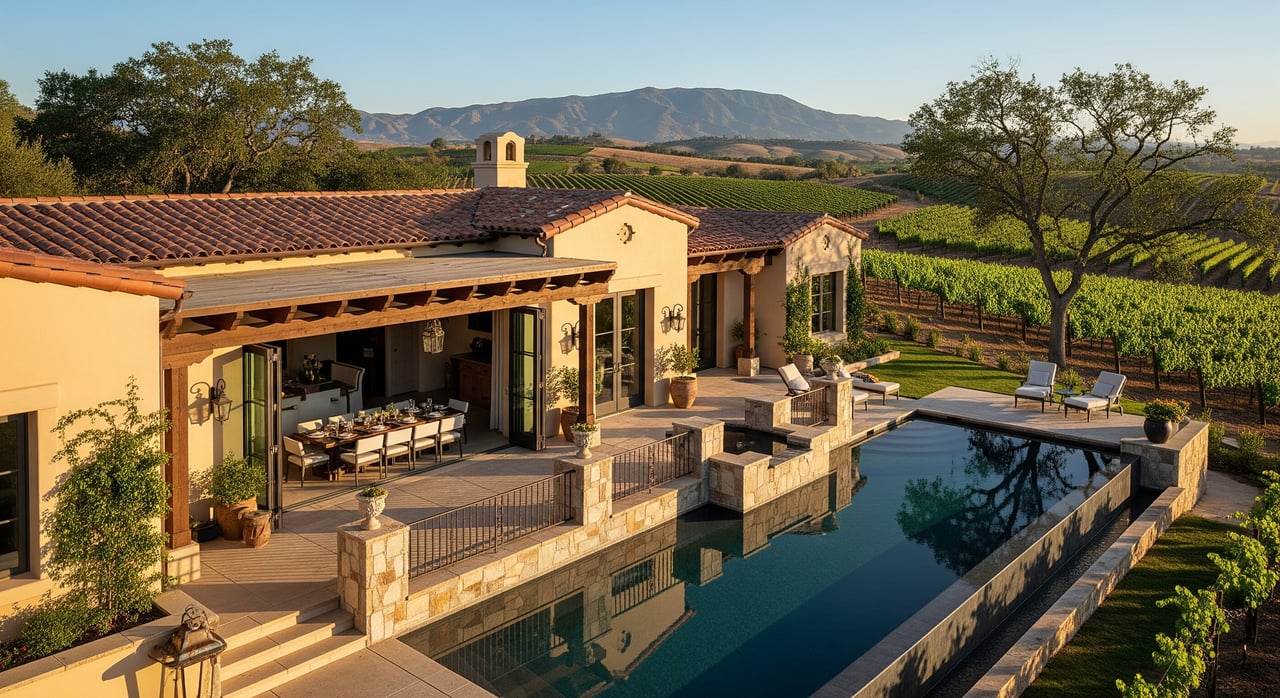
Wine‑country and rural properties
If you want space, this is where you look. Larger lots may use wells and septic systems, and private roads or access easements are common. Inspections can be more specialized, so plan for longer timelines and added due diligence.
Freeway‑adjacent commuter zones
Homes near I‑15 and major arterials help shorten daily drive times. Pricing may reflect convenience, as well as noise or traffic exposure. These homes can draw strong interest from commuters.
Gated and luxury pockets
Custom builds and higher price per square foot are common here. Inventory is smaller, and searches can take longer. Budget for higher carrying costs and more selective availability.
Your step‑by‑step roadmap
Get fully pre‑approved
Before you tour, secure a written lender pre‑approval that shows loan type, amount, and conditions. Bring recent pay stubs, W‑2s or tax returns, and explanations for any large deposits. A strong pre‑approval helps you act quickly when the right home appears.
Build a complete budget
Your monthly payment is more than principal and interest. Create a checklist that includes:
- Purchase price and down payment
- Property taxes at roughly a 1% base rate in California plus any local assessments
- HOA dues and possible Mello‑Roos or CFD taxes
- Homeowners insurance, with higher wildfire premiums possible in some areas
- Maintenance and utilities, especially for rural properties with wells or septic systems
Choose your best‑fit micro‑market
Match neighborhoods to your needs. Consider commute tolerance along I‑15 and nearby state routes, proximity to daily services, and your comfort with HOAs. If schools matter to you, review Temecula Valley Unified School District boundaries and publicly available performance data.
Tour with a plan
Temecula is car‑centric, so map routes to maximize time. Weekend open houses can be busy, which sometimes leads to multiple offers. If you are serious about a place, schedule a weekday private showing.
For wine‑country or rural homes, ask early about wells, septic, private roads, and access easements. Line up a contractor or inspector who can evaluate older systems or acreage.
Write a competitive offer
In California, earnest money deposits commonly range from 1% to 3% of the purchase price. A larger deposit can signal strength, but review your risk if you plan to shorten or waive contingencies. Typical offer terms may include:
- Purchase price and financing type, such as conventional, FHA, VA, or USDA if eligible
- Escrow period, often 21 to 30 days depending on loan type
- Inspection contingency, with a 17‑day period commonly used on California Association of REALTORS forms
- Appraisal and loan contingencies linked to your financing
- Title, termite, and HOA document review timelines when applicable
In multiple‑offer situations, clean terms, realistic appraisal strategies, and reasonable timelines can help. Avoid removing protections without understanding the risks.
Due diligence essentials
General and termite inspections
Schedule a licensed home inspection to evaluate major systems and safety items. Wood‑destroying pest inspections are common in inland Southern California. Lenders may require repairs or a holdback for certain items.
Septic and well specifics
For rural and wine‑country homes, septic and well inspections are essential. Verify permits, system capacity, and service history. Replacements can be costly and may require permits that add time.
Wildfire risk and defensible space
Some Temecula hillsides sit in wildland‑urban interface zones. Get homeowners insurance quotes early, and ask about mitigation such as defensible space or ember‑resistant vents. Lenders require insurance in place before closing, so factor premiums into your budget.
HOA document review
If a property is in an HOA, request the full packet, including CC&Rs, budgets, financial statements, meeting minutes, and reserve studies. Look for pending assessments, litigation, or planned capital projects that could affect costs.
Escrow, closing, and costs
Typical timelines
Many conventional loans close in 21 to 30 days when documentation is complete. Government‑backed loans or complex sales can take longer. Build in time for inspections, appraisal, and any repairs.
Closing costs to expect
Closing costs typically range from 2% to 5% of the purchase price. Expect title insurance, escrow fees, recording fees, lender fees, prepaid taxes and insurance, and prorations. Ask your lender about credits, and confirm any HOA transfer or move‑in fees.
Do a final walkthrough
Before closing, confirm that agreed repairs are complete and the home is in the same condition as when you made the offer. Test utilities, appliances, and key systems. Bring a copy of your contract and inspection summary.
Loans and assistance programs
Most buyers in Temecula use one of the following options. Always verify current eligibility and terms with the program or lender.
- Conventional: Often best for strong credit and larger down payments. Flexible property types and competitive rates based on profile.
- FHA: Popular with first‑time buyers. Lower down payment options and flexible credit standards, with mortgage insurance.
- VA: For eligible veterans and service members. No down payment in many cases and competitive terms.
- USDA: Available in eligible rural areas and for income‑qualified buyers. Useful for certain pockets near Temecula that meet eligibility maps.
- CalHFA: State programs that may assist first‑time buyers with down payment or closing cost support. Program availability and terms change, so confirm details directly.
Commute, schools, and lifestyle
Commute realities
Interstate 15 is the primary north‑south corridor for Temecula. Drive times vary widely by direction and time of day, so weigh freeway access against your preference for rural settings. Properties nearer the freeway can shorten commutes, while wine‑country areas may offer space with longer drives.
Schools and boundaries
Temecula is primarily served by Temecula Valley Unified School District. If schools are part of your decision, review current boundary maps and publicly available performance information. District lines can change, so confirm directly before you buy.
Healthcare and daily amenities
Temecula offers hospitals, clinics, grocery stores, and retail centers across the city. As you compare neighborhoods, consider distance to medical care, shopping, and parks. Lifestyle amenities include Old Town events, community parks, and nearby Temecula Valley Wine Country.
Sample buying timelines
Competitive conventional purchase:
- Pre‑approval, then 7 to 14 days of focused home search
- Offer submission and acceptance
- 17‑day inspection contingency period, appraisal within escrow
- 21 to 30 day escrow, then closing
Rural or wine‑country purchase with septic and well:
- Pre‑approval, longer search and site visits
- Targeted septic and well inspections, plus permit checks
- Longer contingency periods to complete specialized due diligence
- Extended escrow if needed to clear permits or repairs
How we help you Bundle & Save
Buying in Temecula is easier when your team is coordinated. With a vertically integrated platform that includes brokerage, in‑house mortgage, escrow coordination, and insurance referrals, you get one connected process from pre‑approval to keys. That means fewer handoffs, faster answers, and measurable savings.
You also get experienced local guidance from a team that understands Temecula’s micro‑markets, inspections for rural systems, and the ins and outs of HOA and Mello‑Roos assessments. We help you compare total monthly costs, structure a clean offer, and protect your timeline.
Ready to map a clear path to your Temecula home? Connect with Kreg McCoy to Bundle & Save.
FAQs
What should Temecula buyers include in a realistic monthly budget?
- Include principal and interest, property taxes at about a 1% base rate in California plus local assessments, HOA dues, any Mello‑Roos, homeowners insurance, and maintenance.
How do Mello‑Roos taxes affect affordability in Temecula?
- Mello‑Roos are special taxes in many newer communities that appear on your annual property tax bill, and lenders count them in qualifying, so include them in your monthly budget.
Are Mello‑Roos assessments permanent for a home I buy?
- They typically last for the term set by the Community Facilities District; verify amount and remaining term on the tax bill or CFD documents during escrow.
Do I need septic and well inspections for wine‑country properties?
- Yes, for rural and wine‑country homes; confirm permits, capacity, and system condition since replacements can be costly and may require permits that extend timelines.
How big is an earnest money deposit in Temecula?
- In California, deposits commonly range from 1% to 3% of the purchase price, but the amount depends on market conditions and your negotiation strategy.
What inspections are standard for Temecula homes?
- A general home inspection and a wood‑destroying pest inspection are typical; add septic and well evaluations for rural properties and review all required seller disclosures.
What are typical escrow timelines for Temecula purchases?
- Many conventional loans close within 21 to 30 days, while government‑backed loans or complex sales may require additional time.
