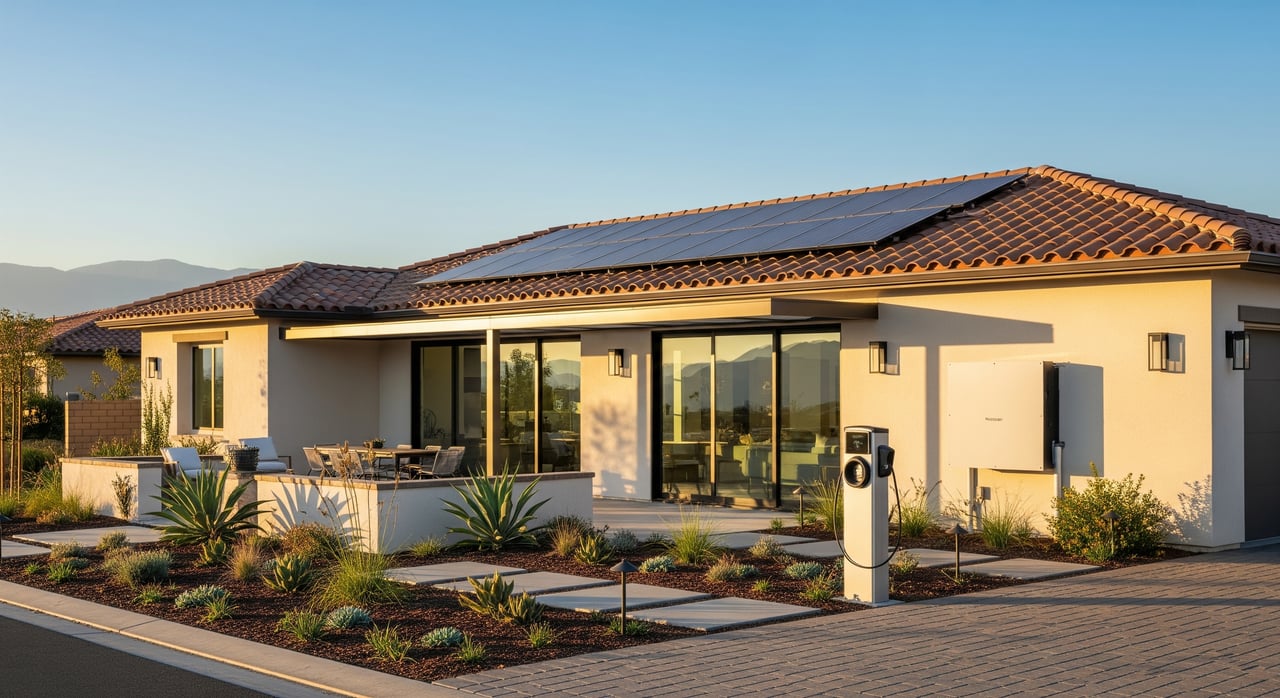
Thinking about selling your Corona home in the next year? Buyers here care a lot about summer comfort, lower utility bills, and simple, low‑maintenance living. If your upgrades can deliver those three things, you give your listing a clear edge.
In our warm Southern California climate, features like efficient cooling, drought‑smart landscaping, and owned solar stand out during showings and inspections. You do not need a full remodel to make a strong impression, but you do need a focused plan and the right documentation.
This guide walks you through the energy‑efficient upgrades that tend to sell in Corona, what permits and incentives to check, and how to prioritize projects on a 6 to 12 month timeline. Let’s dive in.
Why efficiency sells in Corona
Corona sits in a warm Mediterranean climate where cooling costs and summer comfort matter more than winter heating. Local buyers often prioritize upgrades that cut monthly electricity bills, reduce outdoor water use, and add resilience during outages. That means features like efficient HVAC, smart controls, heat pump water heaters, drought‑resilient landscaping, and owned solar with batteries can all help your home stand out.
Two points matter at resale:
- Visible and low‑risk improvements show best. A new high‑efficiency A/C or heat pump with a smart thermostat, well‑documented insulation work, or an owned solar system are easy for buyers to understand.
- Documentation builds confidence. Permits, final inspection records, recent utility bills, and warranty details help buyers feel good about the home’s performance and condition.
Leased equipment can still work, but it can add steps to the transaction. If you have a leased solar system or third‑party power purchase agreement, gather transfer terms early so buyers and lenders have clarity.
Top upgrades buyers want
Solar PV and battery storage
If you can install or already own solar, that is a headline feature for many Corona buyers. Pairing solar with a battery adds resilience, which is increasingly attractive given Southern California’s grid management and occasional outages.
What helps at resale:
- Provide proof the system is owned, plus permits and interconnection documents.
- Share 12 to 24 months of production history if available, plus manufacturer warranties.
- If a full install is not feasible before listing, document “solar readiness” with roof age and condition, electrical panel capacity, and installer quotes.
Permits and incentives to check:
- Building and electrical permits are required for solar and batteries, along with utility interconnection. Timelines vary, so start early.
- Explore the federal Residential Clean Energy Credit and any state or utility incentives. Check local information through Southern California Edison, the California Energy Commission, and DSIRE.
Heat pumps and heat pump water heaters
Heat pumps deliver efficient cooling and heating in our mild‑winter climate. Replacing a failing gas water heater with a heat pump water heater is a fast, high‑impact project that many buyers value.
What helps at resale:
- Present installation permits, model numbers, and warranty details.
- Keep service records and user manuals handy.
Permits and incentives to check:
- Mechanical and electrical permits are typical. Work with a qualified installer who sizes equipment properly and handles refrigerants correctly.
- Federal credits and state or utility rebates may reduce costs. Check DSIRE, the California Energy Commission, Southern California Edison, and Southern California Gas Company for programs.
Insulation, air sealing, and attic work
Attic insulation and air sealing are not flashy, but they boost comfort and cut cooling bills in Corona’s summer heat. Buyers appreciate the benefits when you present them clearly.
What helps at resale:
- Provide before and after documentation. Receipts, photos of added insulation depth, and any blower door or energy audit reports go a long way.
- Note any duct sealing performed and any safety steps taken around recessed lighting or ventilation.
Permits and incentives to check:
- Many insulation upgrades have lighter permitting requirements, but verify with the City of Corona. Utility rebates or weatherization programs may help with costs.
New HVAC and smart thermostats
A recent high‑efficiency HVAC system paired with a smart thermostat shows well in Corona. Buyers like the idea of a cool, quiet home with automated scheduling and remote control.
What helps at resale:
- Provide permits, installation date, and warranty terms. Add maintenance records to show proper care.
- Have the smart thermostat app ready to demo during showings.
Permits and incentives to check:
- Mechanical and electrical permits are typical for replacements. Ask about utility rebates for high‑efficiency equipment and smart thermostats.
Windows, doors, and shading
High‑performance windows and strategic shading can reduce cooling loads and improve comfort. Exterior shading, solar screens, and awnings are cost‑effective ways to cut heat gain in Corona.
What helps at resale:
- If you replace windows, ensure they meet California Title 24 energy performance standards and keep the permit documents.
- For shading, keep receipts and any product performance details.
Permits and incentives to check:
- Window replacements usually require a building permit. Verify product labeling and compliance with local code.
Drought‑smart landscaping
Water‑resilient, low‑maintenance landscaping is a visible win for curb appeal and lower water use. In Corona and across Riverside County, buyers expect drought‑smart choices.
What helps at resale:
- Present a simple plant and irrigation plan with photos. Show drip conversion or weather‑based irrigation controls.
- Share any turf removal rebates received and contact details for your landscaper.
Permits and incentives to check:
- Regional water agencies often offer turf removal and water‑efficient landscape rebates. Check the Metropolitan Water District and your local water provider.
EV charging readiness
Preparing for EV charging is a practical, forward‑looking upgrade. A working Level 2 charger is ideal. If that is not feasible, adding a dedicated 240V circuit and conduit is a smart pre‑sale move.
What helps at resale:
- Provide permits and installation details. Label the breaker and outlet clearly.
- Include any equipment manuals and warranty documents.
Permits and incentives to check:
- Electrical permits are typical. Federal, state, and sometimes utility incentives may be available for chargers and panel work.
Prioritize for a 6 to 12 month timeline
You do not need to do everything. Focus on low‑disruption projects that show clearly and reduce buyer friction.
Quick wins: weeks to 2 months
- HVAC tune‑up and new filters
- Install a smart thermostat and provide the app login for a demo
- Top up attic insulation and air seal obvious gaps and penetrations
- Swap to a weather‑based irrigation controller
- Tidy landscaping, add drought‑tolerant accents, and outline a turf removal plan
Moderate projects: 1 to 3 months
- Replace an old water heater with a heat pump water heater if feasible
- Install a dedicated EV charging circuit or conduit pre‑wire
- Replace failing or visibly poor windows or doors, especially street‑facing units
Major projects: 3 to 6 plus months
- Owned solar with battery storage, including interconnection approvals
- Full HVAC system changeover to a heat pump configuration
- Comprehensive landscape overhaul with design and rebate processing
Decision guide for sellers
- If your A/C or water heater is near end of life, prioritize those replacements and document them with permits.
- If your roof is aging and you want solar, handle the roof first so the solar design lands on a stable surface.
- On a tighter budget, target attic insulation and air sealing, an HVAC tune‑up, and a smart thermostat. These show well and reduce cooling costs.
Permits, incentives, and documentation
Planning and paperwork matter. Start early, especially if your home is in an HOA that requires architectural review for solar, exterior batteries, or visible landscape changes.
Permits and code compliance:
- Solar, batteries, HVAC replacements, water heaters, and most electrical upgrades require permits in Corona. Keep final inspection approvals and permit numbers.
- Title 24 energy code influences window replacements and whole‑home HVAC changes. Verify compliance before ordering materials.
Documentation buyers expect:
- Permits and final inspection records
- Receipts, model numbers, and manufacturer warranties
- Recent utility bills, ideally 12 months, to show operating costs
- For solar: interconnection agreement, 12 to 24 months of production data, and warranty transfer steps
- For rebates: proof of payments or pending approvals
Incentives and where to check:
- DSIRE for a consolidated view of federal, state, and local incentives
- U.S. federal incentives under the Inflation Reduction Act for qualifying projects
- California Energy Commission for statewide programs and resources
- Southern California Edison and Southern California Gas Company for local rebates and interconnection guidance
- Metropolitan Water District and your local water provider for turf removal and irrigation incentives
Showcase your upgrades in the listing
Help buyers understand your home’s efficiency story at a glance. A little organization goes a long way.
- Create a one‑page summary of upgrades with installation dates and contractor names.
- Provide a digital folder with permits, warranties, and user manuals.
- Include a simple utility bill snapshot, such as average monthly electricity and water use over the last year.
- For smart thermostats or solar apps, have the app ready to demo on a tablet during showings.
- Label key features during open houses, such as attic insulation depth photos, HVAC model, or EV charger location.
Next steps
If you plan to list in 6 to 12 months, now is the right time to line up a practical, high‑impact upgrade plan and gather your paperwork. A focused pre‑listing strategy can boost buyer confidence and reduce days on market without overextending your budget.
Want a local, no‑pressure plan tailored to your home and timeline? Reach out to Kreg McCoy to map the best upgrades for resale in Corona and coordinate a streamlined sale with integrated mortgage and escrow. Bundle & Save while you position your home to stand out.
FAQs
Do owned vs leased solar panels affect resale in Corona?
- Owned systems are typically simpler to transfer and often seen as more valuable by buyers, while leased systems can add steps to the transaction. Have all ownership or lease documents ready for review.
What permits do I need for a heat pump or water heater replacement?
- Expect mechanical and electrical permits, with proper sizing and refrigerant handling for heat pumps. Always confirm with the City of Corona Building and Safety before scheduling work.
How long does solar with a battery take before listing?
- Plan for several months, including site assessment, permitting, installation, inspections, and utility interconnection. Start early if you want it completed before going on market.
How does drought‑smart landscaping help resale in Corona?
- It boosts curb appeal, lowers outdoor water use, and signals low maintenance. Document any irrigation upgrades and turf removal rebates to show buyers the practical benefits.
What paperwork should I prepare to prove energy savings to buyers?
- Gather permits, final inspections, warranties, contractor invoices, and 12 months of utility bills. For solar, include interconnection documents and production history with clear transfer steps.
