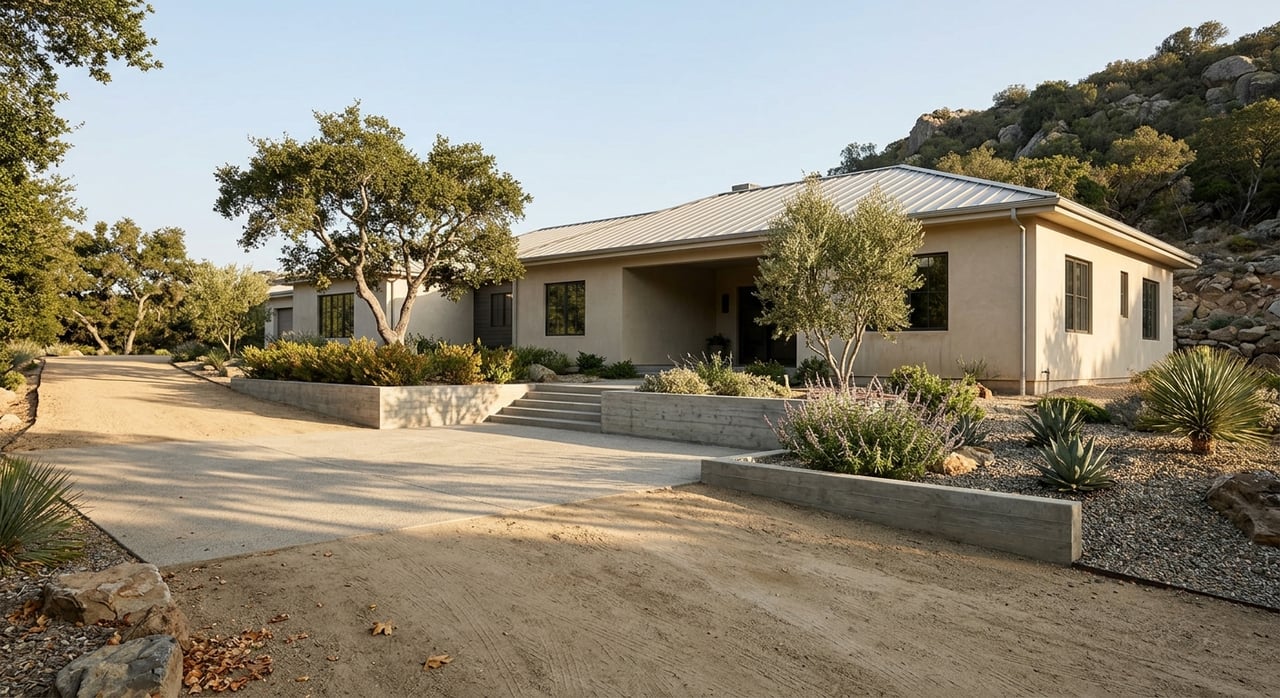
Dreaming about more space in La Cresta? An acreage property can give you room for horses, outbuildings, gardens, and privacy, but it also comes with due diligence that goes far beyond a typical suburban home purchase. If you are thinking about buying in this part of Riverside County, it helps to know how land use rules, private roads, fire access, and utility systems can affect what you can actually do with a property. Let’s break down the practical side of buying acreage in La Cresta so you can move forward with more confidence.
Why La Cresta Feels Different
La Cresta is an unincorporated community on the Santa Rosa Plateau, west of Murrieta in Riverside County. It is known for custom homes, equestrian estates, avocado ranches, and vineyards, with five-acre minimum parcels in the La Cresta community. The area includes about 887 parcels, roughly 60% of them improved with single-family homes, along with about 26 miles of roads.
That setup creates a very different buying experience from a standard tract neighborhood. In La Cresta, you are not just buying a house. You are also buying the land layout, access conditions, easements, road responsibilities, and utility setup that come with it.
Start With the Parcel, Not Just the House
When you tour acreage homes, the house often gets most of the attention. In La Cresta, the parcel deserves just as much focus. A beautiful home on paper may not fit your plans if the lot shape, setbacks, slope, or easements limit how you can use the land.
This matters if you are thinking about adding a barn, pool, arena, workshop, fencing, or guest-use structures allowed under local rules. Before you get too attached to a property, make sure the site supports your intended use in a practical way.
Ask Which HOA Governs the Property
A key first question is simple: which HOA governs the parcel? The broader La Cresta area includes five separate HOAs, including La Cresta, La Cresta Highlands, Meadow Oaks, Santa Rosa West, and The Trails.
That matters because each property may be subject to different recorded restrictions or architectural rules. You want to review the exact governing documents for the parcel you are considering, not assume that all La Cresta properties operate the same way.
County Zoning and HOA Rules Both Matter
Riverside County says permitted uses and minimum lot sizes must conform to the General Plan, adopted community plans, and parcel zoning. In the county’s Residential Agricultural zoning, permitted uses can include one-family dwellings, crops and greenhouses, home occupations, and the noncommercial keeping of horses, cattle, sheep, and goats, with animal counts tied to parcel size.
But county zoning is only part of the story. In La Cresta, recorded restrictions can be stricter than the county baseline, which means a use allowed by zoning may still be limited by CC&Rs or lot-specific restrictions.
Know the Five-Acre Standard
La Cresta’s recorded restrictions state that no lot may be smaller than five acres. Those same restrictions also identify setbacks of 20 feet in the front, 5 feet on the side, and 10 feet at the rear.
For a buyer, those numbers are not just technical details. They directly affect whether your ideas for additions, detached garages, barns, or other improvements can fit on the parcel the way you expect.
Mobilehomes and Exterior Consistency
There is also an important difference between county rules and La Cresta restrictions. While county zoning allows a principal mobilehome on a minimum 2.5-acre lot in some cases, La Cresta’s recorded restrictions state that no mobile home may remain on any lot after January 1, 1976.
The same restrictions say outbuildings and garages should generally match the residence in design and exterior material. If you are planning future improvements, that design consistency may shape both cost and feasibility.
Access and Roads Deserve Early Attention
In many suburban purchases, driveway details are a minor concern. In La Cresta, access can become a major approval, safety, and usability issue. The community’s private-road network and hillside setting make road conditions a core part of your due diligence.
The La Cresta Property Owners Association says it was formed to maintain private roads, drainage improvements, slope easements, water acquisition areas, and fire retreat areas. That tells you right away that road maintenance and land infrastructure are part of everyday ownership here.
Fire Access Standards Matter
Riverside County Fire guidance for one- and two-family dwellings says fire apparatus access roads need an unobstructed 12-foot driving surface, plus 1 foot on each side. Vertical clearance must be 13 feet 6 inches, and road grades generally should not exceed 16%.
There are also turnaround requirements. Roads over 150 feet in the local responsibility area, or over 300 feet in the state responsibility area, need an approved turnaround within 50 feet of the building.
Gates and Long Driveways
If the property has a gate, review that early. Fire access rules also address gate width, gate setback, and emergency opening hardware.
Long driveways need close attention too. County code requires alternate or secondary access when lots in a proposed land division are more than 1,320 feet, or 660 feet in a high fire hazard area, from a publicly maintained circulatory road. Even if you are buying an existing home, these standards can still affect future plans, improvements, or rebuild scenarios.
Wildfire Due Diligence Is Part of the Process
Because of La Cresta’s setting, wildfire risk should be part of your early review. The California Office of the State Fire Marshal maps fire hazard severity zones as moderate, high, or very high.
If a parcel falls in a mapped fire hazard area, verify the current fire hazard severity zone before you write an offer or remove contingencies. You should also confirm whether the property has any defensible space or fuel modification requirements that could affect maintenance, cost, or your future plans for landscaping and structures.
Water and Wastewater Can Be Deal Makers
In a suburban neighborhood, utilities are often simple. In La Cresta, they may not be. Riverside County Environmental Health says safe drinking water and sanitary wastewater disposal are essential, and in unincorporated areas, drinking water may come from an individual domestic well or a water system, while wastewater may be handled by sewer or septic.
This is why two properties with similar square footage can function very differently in day-to-day ownership. You want to know exactly how the home is served and what documentation exists for those systems.
What to Verify on Wells
Riverside County requires a permit to construct, reconstruct, or destroy a well. If the property relies on a domestic well, ask for available well records and permits as part of your investigation.
You should also confirm whether the current water source matches county records and whether there are any known issues that need follow-up. Clear documentation can make your purchase process smoother and help reduce surprises after closing.
What to Verify on Septic
For septic, the county requires an OWTS construction application for installation, repair, or modification in unincorporated Riverside County. For repair or modification of an existing septic system, the county requires certification of the existing system and a scaled plot plan showing the system, replacement components if any, nearby wells, structures, and property lines.
For buyers, that makes septic records especially important. If the property is on septic, request permits, service information, and any county certification of the existing system before you remove contingencies.
A Practical La Cresta Buyer Checklist
Buying acreage in La Cresta usually means a heavier due diligence file than a standard home purchase. That is normal for this market. The goal is to make sure the property supports both your lifestyle and your long-term ownership costs.
Here is a practical checklist to use as you evaluate a property:
- Confirm which of the five La Cresta HOAs governs the parcel.
- Obtain the recorded CC&Rs and any architectural rules.
- Verify lot size, setbacks, and restrictions on barns, fences, animal areas, outbuildings, or additions.
- Measure driveway length, width, slope, curves, turnaround space, gate clearance, and emergency access.
- Confirm whether drinking water comes from a domestic well or a water system.
- Confirm whether wastewater goes to septic or sewer.
- Request well and septic permits, plus any county certification for an existing septic system.
- Review private-road maintenance obligations and drainage easements before removing contingencies.
Why Local Guidance Helps in La Cresta
Acreage purchases usually involve more moving parts than a typical residential deal. In La Cresta, the land itself is part of the product, and that means access, utilities, governing documents, and road obligations can all affect value and usability.
That is where experienced local guidance can save you time and stress. With Riverside County knowledge and a streamlined brokerage, mortgage, and escrow process, you can keep your due diligence organized and make more informed decisions from offer to closing.
If you are considering an acreage home in La Cresta, working with a local advisor who understands both the property and the process can help you spot issues early and move with more clarity. When you are ready to explore your options, connect with Kreg McCoy for practical guidance and a smoother path forward.
FAQs
What makes buying acreage in La Cresta different from buying a suburban home?
- In La Cresta, you are buying both the home and the land systems that come with it, including access, easements, private-road obligations, water, wastewater, and HOA restrictions.
What should you check before buying land or a home in La Cresta?
- You should confirm the governing HOA, review CC&Rs and setbacks, verify allowed uses, evaluate driveway and fire access, and request well and septic documentation.
Can county zoning and La Cresta HOA rules be different?
- Yes. A use may be allowed by Riverside County zoning but still be limited or prohibited by recorded CC&Rs, architectural rules, or parcel-specific restrictions.
What are the setback rules noted in La Cresta restrictions?
- The recorded restrictions published online state 20-foot front setbacks, 5-foot side setbacks, and 10-foot rear setbacks.
Why is fire access so important for La Cresta properties?
- Fire access standards can affect driveway width, vertical clearance, grade, gate setup, and turnaround space, all of which may impact safety, usability, and future improvements.
What utility records should you request when buying a La Cresta acreage property?
- Ask for well permits, septic permits, and any county certification for the existing septic system, along with records that show how the property’s water and wastewater systems are currently set up.
